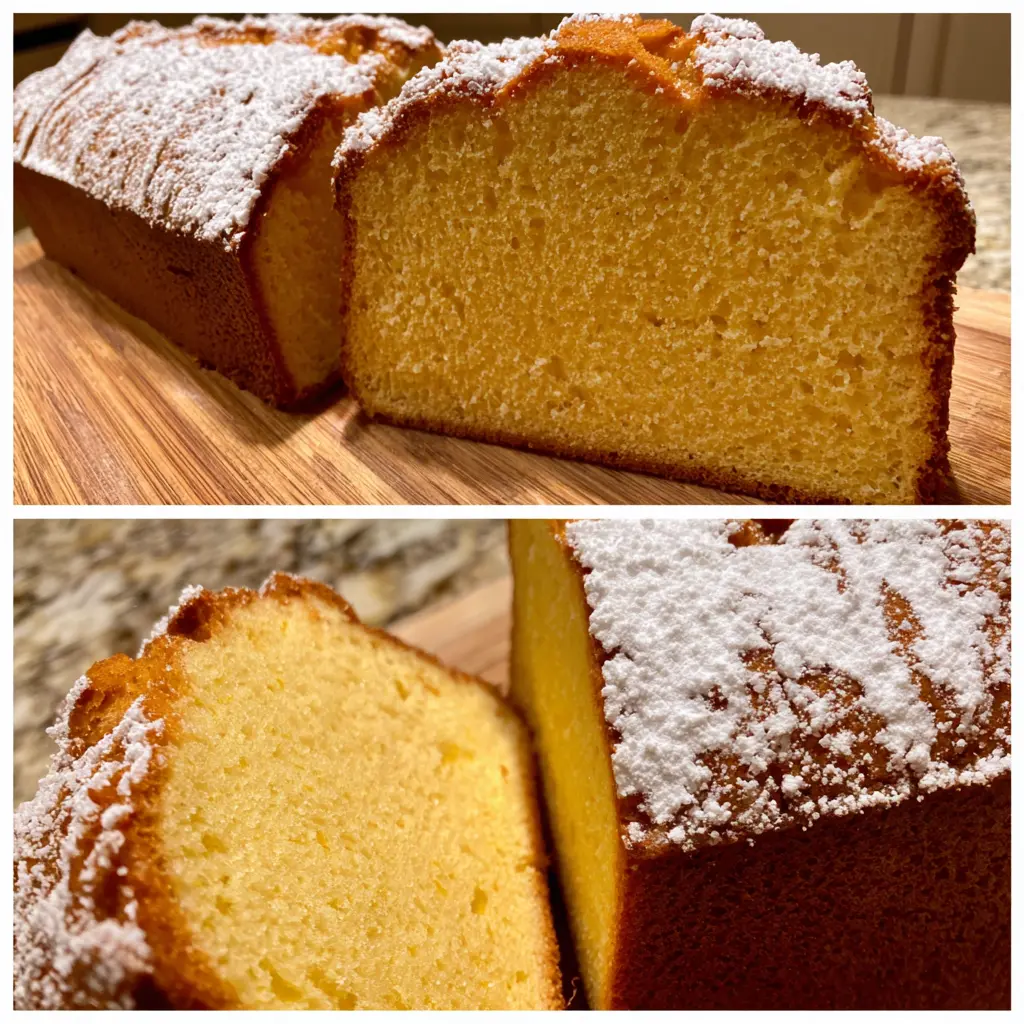
Welcome to a world of authentic Italian holiday baking! This recipe guides you through creating a stunning Pandoro (Italian Christmas Cake), a beloved treat originating from Verona. Known for its iconic star shape and delicate, vanilla-infused crumb, Pandoro is a true symbol of festive cheer. Get ready to bake a delicious masterpiece that will light up your holiday table.
Why You’ll Love This Pandoro
This homemade Pandoro (Italian Christmas Cake) offers an unforgettable baking experience and a delightful dessert.
- Experience authentic Italian tradition: Bring a piece of Italy’s holiday spirit right into your home.
- Enjoy fluffy, vanilla-scented bread: Each slice offers a tender, aromatic bite.
- Impress with its iconic star shape: The beautiful form is perfect for festive presentations.
- Perfect for festive gatherings: It’s a show-stopping centerpiece for any holiday meal.
- Satisfying baking project: Feel accomplished after crafting this renowned Italian cake.
Ingredients
Making a beautiful Pandoro (Italian Christmas Cake) requires simple, quality ingredients.
For the Starter Dough:
- 1/4 cup plus 1 tablespoon lukewarm water
- 1/2 teaspoon active dry yeast
- 1 teaspoon sugar
- 3/4 cup all-purpose flour
- 1/2 teaspoon salt
For the Main Dough:
- 1/2 cup lukewarm whole milk
- 2 1/2 teaspoons active dry yeast
- 2 3/4 cup all-purpose flour
- 1/2 cup sugar
- 4 large egg yolks
- 12 tablespoons unsalted butter, softened at room temp
- 2 tablespoons honey
- 2 tablespoons vanilla bean paste
- Zest of one lemon
Notes & Substitutions
Vanilla bean paste offers a richer, more intense flavor and visual specks compared to extract. You can use an equal amount of good quality vanilla extract if paste is unavailable. Ensure your active dry yeast is fresh; instant yeast can be substituted, skipping the proofing step in liquid. Always use room temperature butter and eggs for smoother dough incorporation. For best results, it’s recommended to weigh your flour for accuracy rather than measuring by volume, as this leads to more consistent baking results.

Traditional Pandoro – Italian Christmas Cake

Equipment
- Pandoro mold
- Stand mixer
Ingredients
Starter Dough
- 1 tbsp warm water
- 1 tsp active dry yeast
- 1 egg yolk
- 2 tbsp all-purpose flour
- 1 tbsp sugar
Main Dough
- 2 1/4 cups all-purpose flour
- 1/2 cup sugar
- 2 eggs
- 1 tsp vanilla extract
- 1/2 cup unsalted butter softened
- powdered sugar for dusting
Instructions
- In a small bowl, combine warm water and yeast. Let sit for 5 minutes until foamy.
- Add sugar, egg yolk, and flour to the yeast mixture to make the starter dough. Mix well and let rise for 1 hour.
- In a stand mixer, combine the starter with flour, sugar, eggs, and vanilla extract. Knead until smooth.
- Add the softened butter a little at a time, continuing to knead until fully incorporated and the dough is elastic.
- Let the dough rise in a warm place for 4-6 hours until doubled in size.
- Deflate the dough, shape into a ball, and place in a greased Pandoro mold. Let rise again for 2-3 hours.
- Bake at 350°F (175°C) for 35 minutes or until golden and a skewer comes out clean.
- Cool completely, then dust with powdered sugar before serving.
Notes
Nutrition
Equipment
Creating a stunning Pandoro (Italian Christmas Cake) is easier with the right tools.
- Stand mixer with dough hook: Essential for efficient kneading of this rich dough.
- 9-cup (2-liter) Pandoro mold: For that authentic star shape.
- Alternatively: A 9-cup Bundt or pound cake pan can work.
- Mixing bowls: For separate dough preparations.
- Plastic wrap: To cover dough during rising.
- Wire rack: For proper cooling.
- Oven thermometer: To ensure accurate baking temperature.
Instructions
Crafting this delightful Pandoro (Italian Christmas Cake) is a two-day process that’s well worth the wait. Remember, if you can’t find the classic star-shaped mold, you can use a 9-cup capacity Bundt or pound cake pan.
Day 1: Preparing the Starter Dough
- Activate Yeast: Dissolve 1/2 teaspoon active dry yeast and 1 teaspoon sugar in 1/4 cup plus 1 tablespoon lukewarm water. Let it sit for 10-15 minutes until it becomes nice and frothy, indicating active yeast.
- Combine Ingredients: Place 3/4 cup all-purpose flour and 1/2 teaspoon salt in the bowl of a stand mixer. Add the yeast mixture.
- Knead: Using the dough hook, knead the ingredients until they come together into a smooth but firm and stiff dough.
- First Rise: Form the dough into a ball. Place it in a lightly greased bowl, cover loosely with plastic wrap, and let it rise in a warm place for about 2 hours, or until nearly doubled in size.
- Refrigerate: Punch the dough down gently, form it into a ball again, place it back in the bowl, cover tightly with plastic wrap, and refrigerate overnight.
Day 2: Making the Main Dough
- Prepare Starter: Remove the starter dough from the fridge 2 hours before you plan to proceed with making the Pandoro (Italian Christmas Cake). This brings it to room temperature.
- Activate Yeast: The next day, dissolve 2 1/2 teaspoons active dry yeast and 1 teaspoon of sugar in 1/2 cup lukewarm milk. Let it sit for 10-15 minutes until frothy.
- Combine Main Dough: Place 2 3/4 cups all-purpose flour, 1/2 cup sugar, and the yeast mixture in the bowl of a stand mixer. Mix with a spoon or the dough hook.
- Add Egg Yolks: Using the dough hook, add the 4 large egg yolks one at a time, kneading between additions. The mixture will come together into a rich yellow dough.
- Incorporate Starter: Add the starter dough to the stand mixer. Knead the two doughs together for about 5 minutes until well combined.
- Add Enrichments: Add the 12 tablespoons softened unsalted butter, zest of one lemon, 2 tablespoons vanilla bean paste, and 2 tablespoons honey. Knead for about 10 minutes, scraping down the sides of the bowl as needed. The dough should be very smooth and elastic but not overly sticky. If it’s too sticky, add a little more flour, one tablespoon at a time.
- Second Rise: Form the dough into a ball, lightly spray the bowl, and place the dough back in, loosely covered with plastic wrap. Let it rise in a warm place for about 3 hours, or until nearly tripled in size. Gently punch the dough down.
Baking the Pandoro
- Prepare Mold: Generously butter your Pandoro mold pan, getting into all the cracks and crevices. You will need a 9-cup (about 2-liter capacity) mold. Next, add some flour to the pan and shake it to thoroughly coat it, shaking out any excess flour. Ensure all cracks and crevices are coated to prevent the Pandoro (Italian Christmas Cake) from sticking.
- Third Rise: Place the dough into the prepared Pandoro mold. Cover loosely with plastic wrap and it rise in a warm place until the dough has risen to about an inch or so above the top of the mold.
- Preheat Oven: In the meantime, preheat your oven to 325°F (160°C).
- Bake: Bake the Pandoro on the middle rack for 30 minutes.
- Continue Baking: Reduce the temperature to 300°F (150°C) and bake for another 30 minutes, or until the internal temperature reaches 195°F (90°C) and a toothpick inserted into the middle comes out clean. Be careful not to over-bake, or your Pandoro will be very dry. If the Pandoro begins to brown too quickly during baking, cover it loosely with aluminum foil.
Cooling and Finishing
- Cool in Mold: Let the Pandoro cool in the mold on a wire rack for 15 minutes.
- Remove from Mold: Carefully remove the Pandoro from the mold. You may need to run a thin knife around the edges if it’s slightly stuck.
- Cool Completely: Cut a thin layer off the base so it will sit flat on a serving plate, then cool it completely on a wire rack.
- Dust and Serve: To serve, once the Pandoro is cool, dust the whole bread generously with powdered sugar.
Pro Tips & Troubleshooting
Achieving a perfect Pandoro (Italian Christmas Cake) can be tricky but these tips help.
- Yeast proofing: Always ensure your yeast is active and bubbly before adding other ingredients.
- Dough consistency: The dough should be smooth and elastic, not too sticky or too dry. Adjust flour slightly if needed.
- Proper kneading: Knead thoroughly to develop gluten, which creates the airy, chewy texture.
- Warm rising environment: A consistently warm spot is crucial for adequate rising and a light crumb.
- Don’t overbake: Overbaking leads to a dry, crumbly Pandoro. Monitor with an internal thermometer.
- Greasing the mold: Greasing and flouring the mold meticulously is critical for easy, clean release.
- Internal temperature: The best way to confirm doneness is to check the internal temperature, ensuring it reaches 195°F (90°C).
Serving, Storage & Variations
Your beautiful Pandoro (Italian Christmas Cake) is ready to enjoy!
Serving Suggestions
- Traditional: Dust the whole bread with powdered sugar and cut it vertically into slices.
- Modern: For a more interesting look, slice the Pandoro in thick horizontal slices, then rotate the slices, creating a “Christmas tree” effect. You can either dust it with powdered sugar or layer each horizontal slice with custard, mascarpone cream, whipped cream, or chocolate sauce.
- With beverages: Serve alongside coffee, hot chocolate, or a sweet dessert wine.
Storage Instructions
- Store leftover Pandoro in an airtight container at room temperature. It will stay fresh for 3-5 days.
- For longer storage, freeze the Pandoro whole or in slices for up to 3 months. Wrap tightly in plastic wrap and then foil. Thaw at room temperature.
Variations
- Chocolate Pandoro: Swirl in 1/4 cup of unsweetened cocoa powder with the flour, or add 1/2 cup of miniature chocolate chips during the final kneading stage.
- Citrus Burst: Enhance the flavor by adding the zest of one orange alongside the lemon zest.
Nutrition
Here’s an estimated nutritional breakdown for one serving of Pandoro (Italian Christmas Cake).
| Nutrients | Amount Per Serving |
|---|---|
| Calories | 350 kcal |
| Total Fat | 18g |
| Saturated Fat | 10g |
| Cholesterol | 95mg |
| Sodium | 150mg |
| Total Carbs | 40g |
| Dietary Fiber | 1g |
| Total Sugars | 20g |
| Protein | 6g |
Nutrition facts are approximate and may vary based on specific ingredients and preparation.
What is the difference between Pandoro and Panettone?
Pandoro is a simpler, star-shaped Italian Christmas cake with a delicate vanilla flavor. Learn more about the key differences between Pandoro and Panettone, two iconic Italian holiday breads. Panettone is dome-shaped, typically richer, and studded with candied fruits and raisins.
Can I use a regular Bundt cake pan instead of a Pandoro mold?
Yes, you can use a 9-cup capacity Bundt or pound cake pan. Ensure its volume is similar to the Pandoro mold for proper rising and baking
How long does homemade Pandoro last?
Homemade Pandoro lasts for 3-5 days at room temperature when stored in an airtight container. You can also freeze it for up to 3 months.
Why is my Pandoro dense?
A dense Pandoro (Italian Christmas Cake) can result from under-kneading, which doesn’t develop enough gluten, insufficient rising time, or using old, inactive yeast. Ensure you follow the rise times and knead thoroughly.
Can I make Pandoro ahead of time?
Absolutely! Pandoro is a fantastic make-ahead treat, perfect for holidays or gifting. Bake it a day or two before, or freeze it for up to three months.
Conclusion
Baking your own Pandoro (Italian Christmas Cake) is a wonderfully rewarding experience. This traditional Italian delicacy, with its light texture and delightful vanilla aroma, is truly a highlight of the festive season. You’ve created a beautiful, authentic treat that embodies holiday joy. We encourage you to try this recipe and share your delicious creations. Don’t forget to share photos and leave a review!