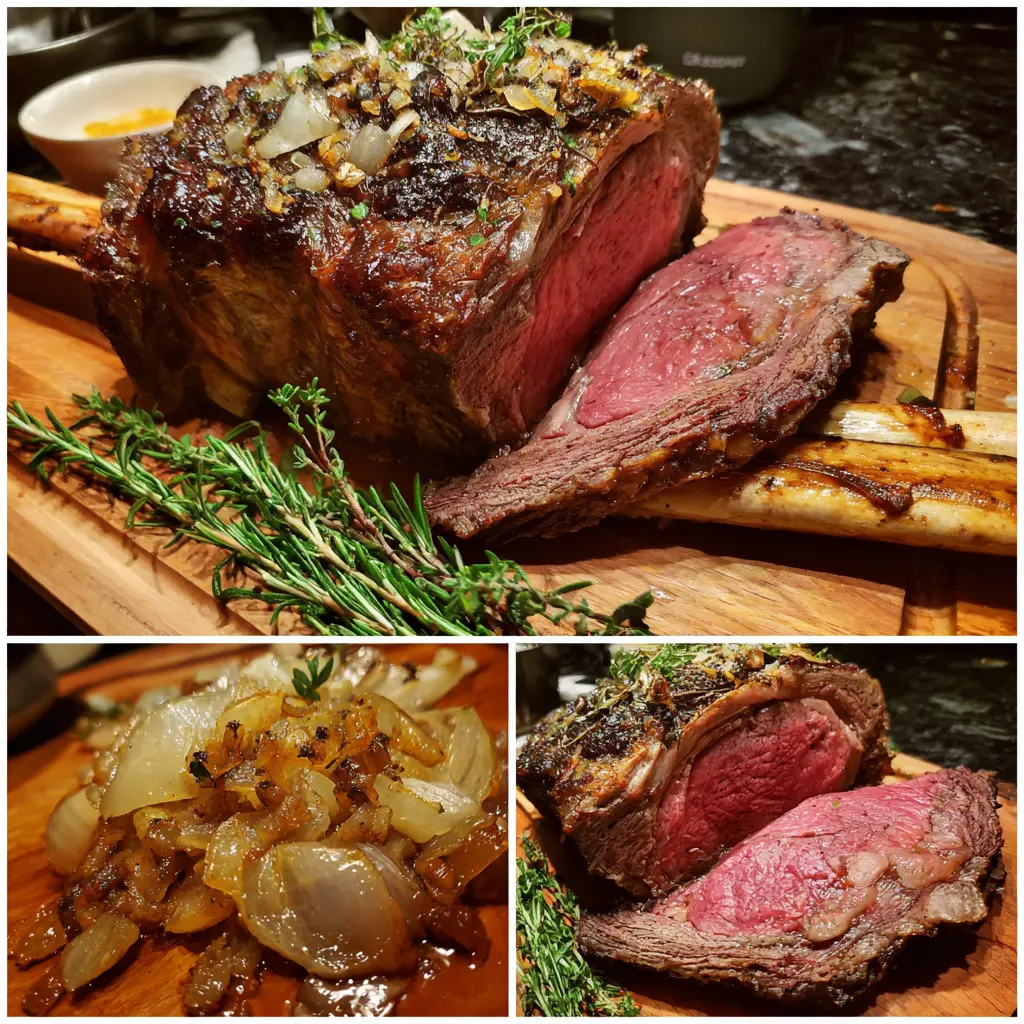
Welcome to your ultimate guide for crafting The Perfect Prime Rib Roast Family Recipe! This show-stopping dish is a centerpiece for holidays, special occasions, or any time you want to impress. Our proven method, refined from years of family gatherings and restaurant techniques, makes it surprisingly simple. Get ready to create an unforgettable meal that delivers incredibly impressive results, all with ease of preparation.
Why You’ll Love This Prime Rib Roast
You will adore this recipe for many wonderful reasons. This approach guarantees an incredibly juicy, tender, and flavorful beef roast every time you make it. The high-heat sear perfectly forms a delicious, aromatic crust that locks in all the wonderful juices. You’ll master a simple, step-by-step method for achieving perfect doneness, from rare to medium, exactly how your family prefers it. This recipe is truly ideal for festive family gatherings, making your special meals even more memorable.
Ingredients
To create The Perfect Prime Rib Roast Family Recipe, you’ll need high-quality ingredients. The precise measurements are crucial for a truly flavorful crust. Here’s what you need:
- A bone-in prime rib roast (Note 2 discusses roasts 6 lbs or less).
- 1/3 medium onion per pound (up to 4-5 total; large dice or thickly sliced; Note 3 provides more details).
- 1 teaspoon Kosher or coarse sea salt per pound (1 tsp per lb/450g).
- ½ teaspoon freshly ground black pepper per pound (1/2 tsp per lb/450g).
- 1 teaspoon minced garlic per pound (1 tsp per lb/450g).
- 1 teaspoon fresh rosemary per pound (1 tsp per lb/450g).
- 1 teaspoon fresh thyme per pound (1 tsp per lb/450g).
- ½ teaspoon olive oil per pound (1/2 tsp per lb/450g).
Notes & Substitutions
Bone-in vs. Boneless: Bone-in roasts offer more flavor and insulating properties, leading to a more evenly cooked interior. Boneless roasts cook slightly faster and are easier to carve. Both work well with this recipe.
Onions: The onions serve a dual purpose. They add incredible aromatic flavor to your pan drippings for the au jus, and they also create a natural roasting rack, lifting the meat off the pan. Feel free to adjust the quantity based on your preference and pan size.
Herbs: Fresh herbs like rosemary and thyme are highly recommended for their vibrant flavor. If you must use dried herbs, use about half the amount as their flavor is more concentrated.
Salt: Kosher or coarse sea salt is preferred over fine table salt. It adheres better to the roast and provides a more controlled seasoning. Avoid fine salt as it can over-salt the exterior quickly.
Scaling: This recipe is designed to be easily scaled. Simply multiply the seasonings (salt, pepper, garlic, herbs, olive oil) by the total number of pounds of your prime rib roast.

The Perfect Prime Rib Roast

Equipment
- Roasting Pan
- Meat Thermometer
Ingredients
Roast
- 5 lb prime rib roast bone-in or boneless
- 2 tbsp olive oil
- 1 tbsp salt
- 2 tsp black pepper freshly ground
- 1 tbsp garlic minced
- 1 tbsp fresh rosemary chopped
- 1 tbsp fresh thyme chopped
Instructions
- Preheat oven to 450°F (230°C). Pat roast dry with paper towels.
- Rub roast with olive oil, salt, pepper, garlic, rosemary, and thyme.
- Place in a roasting pan bone side down (or fat side up if boneless). Roast for 15 minutes at high temperature.
- Reduce oven temperature to 325°F (165°C) and continue roasting for about 1.5 hours or until internal temperature reaches desired doneness (e.g., 130°F for medium rare).
- Remove from oven and let rest covered loosely with foil for 20–30 minutes before slicing.
Notes
Nutrition
Equipment
Having the right tools makes preparing The Perfect Prime Rib Roast Family Recipe much smoother. You won’t need anything overly specialized, but these items are key for success.
- A large, sturdy roasting pan accommodates your prime rib roast and collects all the delicious drippings.
- A flat roasting rack is optional if you use enough onions to elevate the roast, but it promotes even airflow.
- A reliable meat thermometer is absolutely essential for accurately gauging the internal temperature and achieving perfect doneness.
- A fat separator helps you create a clean, flavorful au jus from the pan drippings.
- A large cutting board provides a stable surface for carving your beautiful roast.
- Aluminum foil is used for tenting the roast during the resting period.
Instructions
Creating The Perfect Prime Rib Roast Family Recipe is straightforward with these detailed steps. Follow along carefully for a sensational outcome.
1. Marinating the Roast
Begin by preparing your prime rib for its flavor infusion. Rinse your bone-in roast thoroughly under cold water, then pat it completely dry with paper towels. A dry surface ensures a better crust during roasting. Place a flat roasting rack directly over a bed of sliced or diced onions in your large roasting pan. If you don’t have a rack, ensure a generous layer of onions lifts the roast sufficiently.
In a small bowl, combine the Kosher salt, freshly ground black pepper, minced garlic, fresh rosemary, fresh thyme, and olive oil. Mix these ingredients thoroughly to form a fragrant paste. Generously rub this aromatic mixture evenly over the entire surface of the prime rib roast, ensuring every side is coated. This seasoning forms the foundation of its incredible flavor.
Once seasoned, cover the entire roasting pan tightly with plastic wrap. Place the covered roast in the refrigerator to marinate overnight, for at least 8 hours. This extended marination time allows the flavors to penetrate deeply into the meat, ensuring a truly delicious and tender result.
2. Roasting the Prime Rib
Two hours before you plan to roast, remove the prime rib from the refrigerator. Allow it to sit at room temperature for even cooking. Preheat your oven to a blazing 450°F (230°C). This high initial heat is crucial for developing that beautiful, flavorful crust.
Place the prepared roast on the lower oven rack, directly in the preheated oven. Let it roast undisturbed for 30 minutes. After this initial searing period, carefully add ½ cup of water to the bottom of the roasting pan, around the onions, not on the roast itself. This helps prevent drippings from burning and creates steam for moisture.
Rotate the roast 180° in the oven after another 30 minutes to promote even browning. Immediately reduce the oven temperature to 350°F (175°C). Continue cooking for an additional 90-120 minutes, or until your desired internal temperature is reached. Baste the roast every 30 minutes using the pan drippings to keep it moist and enhance the crust. Add more water to the pan if the drippings start to look dry or burn. If the exterior is browning too quickly, tent the roast loosely with aluminum foil. Constantly monitor the internal temperature with your reliable meat thermometer, inserting it into the thickest part of the meat, avoiding bone.
3. Rest & Serve
Once the prime rib reaches your desired internal temperature (remembering carry-over cooking), carefully transfer the beautiful roast to a clean cutting board. Tent it lightly with aluminum foil and let it rest undisturbed for a full 20 minutes. This resting period is critical; it allows the juices to redistribute throughout the meat, ensuring every slice is incredibly moist and tender. Do not skip this step!
While the roast rests, carefully strain all the pan juices and drippings from the roasting pan into your fat separator. Allow the fat to separate from the flavorful au jus. Once separated, gently warm up the rich, clear au jus on the stovetop or in the microwave. After the roast has rested, carve it against the grain into thick, impressive slices. Serve each slice immediately with a generous pour of the warm, savory au jus. This completes your perfect prime rib roast family recipe.
Pro Tips & Troubleshooting
Marinating Time: Don’t skimp on the marinating. An overnight marinade is truly key for maximum flavor penetration and tenderization for your The Perfect Prime Rib Roast Family Recipe. Plan ahead for this crucial step.
Room Temperature: Allowing the roast to come closer to room temperature before cooking ensures more even cooking throughout. A cold roast will have a larger temperature gradient from the outside to the inside.
Meat Thermometer: This is your best friend. An accurate, reliable meat thermometer takes all the guesswork out of achieving perfect doneness. Invest in a good one for consistent results.
Carry-Over Cooking: Remember that your roast’s internal temperature will rise by 5-10°F (3-5°C) after it’s removed from the oven, especially during the resting period. Remove it a little early to account for this.
Smaller Roasts (6 lbs or less): For smaller roasts, adjust the initial high-heat time. Start with 15-20 minutes at 450°F before reducing the temperature, as they cook faster.
Boneless Roasts: Boneless roasts typically cook faster than bone-in ones. Start checking for doneness about 30 minutes earlier than estimated for a bone-in roast of similar weight.
Preventing Smoke: The bed of onions and the addition of water to the pan help prevent the drippings from burning and smoking excessively in your oven. Keep an eye on the liquid level.
Perfect Au Jus: After straining, if your au jus isn’t as rich as you’d like, you can reduce it slightly on the stovetop. For an extra rich flavor, gently emulsify a small knob of cold butter into the warm au jus right before serving.
Carving: Always carve the prime rib roast against the grain for the most tender slices. Use a sharp carving knife for clean cuts and beautiful presentation.
Serving, Storage & Variations
Serving Suggestions: This magnificent prime rib roast pairs beautifully with classic side dishes. Consider creamy mashed potatoes, crispy roasted asparagus, green bean casserole, or a fresh garden salad. For an extra touch, offer horseradish sauce or a simple red wine reduction alongside the au jus.
Storage: Store any leftover prime rib in an airtight container in the refrigerator for up to 3-4 days. Ensure it’s cooled completely before storing to maintain freshness.
Leftover Ideas: Don’t let delicious leftovers go to waste! Thinly sliced prime rib makes incredible sandwiches, either cold or lightly warmed. You can also dice it for a hearty prime rib hash with potatoes and onions, or add it to a quick stir-fry for an elevated weeknight meal.
Variations: Feel free to customize your The Perfect Prime Rib Roast Family Recipe. Experiment with different herb blends, such as adding sage or marjoram to the rub. For a bolder crust, spread a thin layer of Dijon mustard over the roast before applying the herb rub. You could also create a luxurious red wine reduction sauce from the pan drippings instead of a simple au jus.
Nutrition Information
Please note that the following nutrition information is an estimate based on common prime rib cuts and preparation methods. Actual values can vary significantly depending on the specific cut of meat, fat content, cooking variations, and exact serving sizes. This information is provided for general guidance only.
| Nutrient | Per Serving (Estimated 4oz/112g) |
|---|---|
| Calories | 350-400 kcal |
| Protein | 25-30 g |
| Fat | 25-30 g |
| Saturated Fat | 10-12 g |
| Cholesterol | 80-90 mg |
| Sodium | 300-400 mg |
| Carbohydrates | 0 g |
| Fiber | 0 g |
| Sugars | 0 g |
Conclusion
You now have all the tools and confidence to create The Perfect Prime Rib Roast Family Recipe in your own kitchen. This comprehensive guide ensures a reliable, delicious, and truly impressive meal every single time. Emily’s mission is to make special recipes simple for everyone, and this prime rib is a testament to that. We encourage you to confidently prepare this special meal for your next gathering. Share your success and feedback in the comments below, and don’t forget to subscribe for more easy, beginner-friendly recipes!
Frequently Asked Questions (FAQ)
What’s the best grade of prime rib to buy?
For the best flavor and tenderness, choose USDA Prime or Choice grade prime rib. These grades have more marbling, which contributes to a juicier and more flavorful roast.
How much prime rib should I buy per person?
Plan on about 1 pound of bone-in prime rib per person, or about ½ to ¾ pound of boneless prime rib. This accounts for bone weight and ensures generous servings.
Can I cook prime rib without a roasting rack?
Yes, you can! A thick bed of thickly sliced onions or large carrots works perfectly as a natural rack. This elevates the meat and infuses the drippings with extra flavor.
How do I prevent excessive smoke while roasting?
Ensure your oven is clean, as burnt residue can cause smoke. The bed of onions and adding water to the pan also helps prevent drippings from burning, significantly reducing smoke.
What internal temperature corresponds to different doneness levels (rare, medium-rare, medium)?
For safety, the USDA recommends cooking all raw beef steaks and roasts to a minimum internal temperature of 145°F (62.8°C) as measured with a food thermometer before removing meat from the heat source. For rare, aim for 120-125°F; for medium-rare, 125-130°F; for medium, 130-135°F. Remember to remove the roast 5-10 degrees before your target for carry-over cooking.