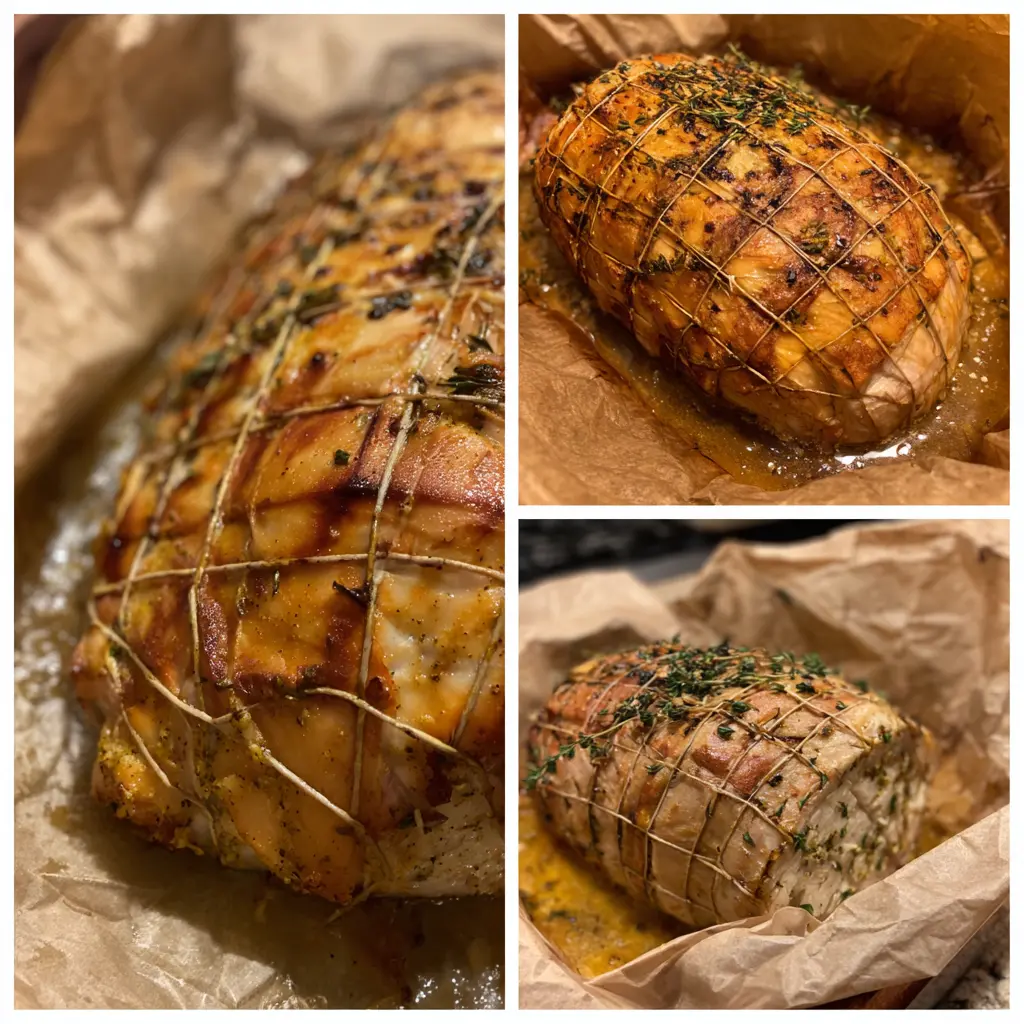
Welcome to the ultimate recipe for the Best Vegan Turkey Roast! This plant-based centerpiece delivers a truly impressive experience. You’ll love its remarkably meaty texture, incredibly juicy interior, and a delightful crispy skin that rivals traditional roasts. It’s surprisingly easy to prepare and can even be made ahead, making it the ideal choice for stress-free holiday gatherings like Thanksgiving, Christmas, or any special occasion.
Why You’ll Love This Vegan Turkey Roast
This vegan turkey roast will quickly become a favorite for many reasons:
- Realistic Texture & Flavor: Achieve a wonderfully firm, sliceable texture and savory taste that will impress everyone.
- Irresistible Crispy Skin: The unique rice paper skin crisps up beautifully in the oven, adding fantastic texture.
- Simple Ingredients: Uses accessible plant-based staples, making it easy to source everything you need.
- Ideal for Meal Prep: Prepare it in advance to save time on busy holidays or for delicious weeknight meals.
- Crowd-Pleaser: This impressive roast delights both vegans and non-vegans alike, making it perfect for mixed gatherings.
- High in Plant-Based Protein: A satisfying and nutritious option, packed with wholesome goodness.
Ingredients
For the Vegan Turkey:
- 1 (14 oz/ 396 g) package firm tofu, drained
- 3 tablespoons nutritional yeast
- 2 tablespoons water (plus more if needed)
- 1 tablespoon white miso paste
- 2 teaspoons onion powder
- 2 teaspoons vegetable broth powder (vegetable instant stock mix powder, vegetable bouillon base, or 1 vegetable bouillon cube)
- 1 teaspoon garlic powder
- ½ teaspoon salt
- 1/2 teaspoon dried thyme leaves
- 1/4 teaspoon ground sage
- 1 ½ cups vital wheat gluten
For the Crispy Skin:
- 1/4 cup vegan butter, melted
- 4 cloves garlic, minced or pressed
- 1 1/2 teaspoons soy sauce or 1/2 teaspoon salt
- 1/4 teaspoon black pepper
- 1 sheet rice paper
Notes & Substitutions
To create the best vegan turkey roast, ingredients play a key role. Firm tofu provides moisture and a base for the texture. Vital wheat gluten is essential; it’s the protein that forms the meaty structure of seitan, so there is no gluten-free substitute for this recipe. Nutritional yeast adds a cheesy, umami depth, while white miso paste enhances savory notes and richness. If you don’t have vegetable broth powder, a bouillon cube or paste works well. The rice paper sheet is optional but highly recommended for that incredibly realistic crispy skin effect. For an oil-free roast, simply omit the vegan butter and use vegetable broth for basting.
Seitan is a popular meat substitute made from vital wheat gluten, which provides a satisfyingly firm texture in plant-based recipes. Learn more about seitan and its uses in vegan cooking.

The Best Vegan Turkey Roast

Equipment
- Food Processor
- Mixing Bowl
- Loaf Pan or Foil Wrap
Ingredients
Dry Ingredients
- 1 1/2 cups vital wheat gluten
- 1/4 cup chickpea flour
- 1 tbsp nutritional yeast
Wet Ingredients
- 1 cup vegetable broth
- 2 tbsp soy sauce
- 1 tbsp olive oil
- 1 tsp garlic powder
- 1 tsp onion powder
- 1/2 tsp sage dried
- 1/2 tsp thyme dried
Instructions
- Preheat oven to 350°F (175°C). In a large bowl, mix dry ingredients.
- In a blender, combine wet ingredients until smooth. Pour into dry mix and stir until a dough forms.
- Knead the dough for a few minutes until elastic. Shape into a loaf and wrap tightly in foil or place in a loaf pan.
- Bake for 1 hour 30 minutes, flipping halfway if not using a pan. Let rest before slicing and serving.
Notes
Nutrition
Equipment
You don’t need many special tools to make this delightful roast. Gather your food processor to blend ingredients quickly and a large pot with a steamer basket for steaming. You’ll also need aluminum foil for wrapping, a baking tray for roasting, a small bowl for the basting mixture, and a pastry brush for even coating.
Instructions
Making this Best Vegan Turkey Roast is a rewarding process. Follow these steps for a delicious, impressive main course.
Part 1: Making the Seitan
- Combine Wet Ingredients: In your food processor, combine the drained firm tofu, nutritional yeast, 2 tablespoons water, white miso paste, onion powder, vegetable broth powder, garlic powder, salt, dried thyme leaves, and ground sage.
- Blend Until Smooth: Process these ingredients until you have a completely smooth, creamy mixture. Scrape down the sides of the bowl as needed to ensure everything is incorporated.
- Add Vital Wheat Gluten: Add the vital wheat gluten to the food processor. Pulse a few times until a shaggy dough begins to form.
- Form a Ball: Continue to process just until the dough comes together into a cohesive ball. Do not knead the dough in the food processor; over-processing can lead to a tough, rubbery seitan.
- Adjust Consistency: If your dough appears too dry and isn’t forming a ball, add an extra tablespoon of water at a time until it comes together. Conversely, if it seems too wet, add a teaspoon more vital wheat gluten.
- By Hand Alternative: If you don’t have a food processor, blend the wet ingredients in a blender, then transfer to a large bowl. Add the vital wheat gluten and mix with a spoon until a shaggy dough forms. Use your hands to gently bring it together into a ball without kneading.
Part 2: Shaping and Steaming
- Prepare for Steaming: Tear off a large piece of aluminum foil, about 18-24 inches long. Place it on a clean work surface.
- Shape the Roast: Transfer the seitan dough onto the center of the foil. Gently shape it into an oval or loaf, resembling a small roast, about 8-10 inches long and 4 inches wide.
- Wrap Tightly: Wrap the seitan loaf tightly with the first layer of foil, ensuring it’s completely enclosed. Then, wrap it again with a second layer of foil to create a secure, watertight package. This keeps the moisture in during steaming.
- Set Up Steamer: Fill a large pot with about 2 inches of water. Place a steamer basket inside, making sure the water doesn’t touch the bottom of the basket. Bring the water to a boil.
- Steam the Roast: Carefully place the foil-wrapped seitan into the steamer basket. Cover the pot tightly with a lid. Steam for 1 hour.
- Cool Completely: Once steamed, carefully remove the roast package from the pot. Let it cool completely at room temperature, still wrapped in foil. This resting period is crucial for texture.
- Refrigerate: For the absolute best texture and ease of slicing, refrigerate the wrapped roast overnight. This step makes a significant difference.
Part 3: Crispy Skin and Roasting
- Preheat Oven: Preheat your oven to 400°F (200°C). Lightly grease a baking tray or line it with parchment paper.
- Prepare Basting Mixture: In a small bowl, whisk together the melted vegan butter, minced garlic, soy sauce (or salt), dried thyme leaves, and black pepper.
- Unwrap & Brush: Unwrap the completely cooled and refrigerated seitan roast. Place it on the prepared baking tray. Brush the entire surface of the roast generously with the basting mixture.
- Soften Rice Paper: Quickly dip one sheet of rice paper under running water for about 20-30 seconds until it becomes soft and pliable. Be gentle; it tears easily.
- Apply Crispy Skin: Carefully drape the softened rice paper sheet over the top of the seitan roast, pressing it gently to adhere. Trim any excess paper if it’s too large. Brush the rice paper layer with more of the basting mixture. This ensures a beautifully golden, crispy finish.
- First Bake: Bake the roast for 15 minutes.
- Second Baste & Bake: Remove the roast from the oven. Brush it again with any remaining basting mixture, ensuring the rice paper is well coated. Return to the oven and bake for another 15-25 minutes, or until the rice paper skin is deeply golden brown and crispy. Keep an eye on it to prevent burning.
- Rest and Slice: Let the vegan turkey roast cool on the baking tray for at least 10 minutes before carefully slicing it with a sharp knife. This allows the juices to redistribute and makes for cleaner cuts.
Pro Tips & Troubleshooting
- Avoid Kneading: Resist the urge to knead the seitan dough. Over-handling develops too much gluten, resulting in a rubbery, tough texture. Just blend until it forms a ball.
- Proper Steaming: Ensure the water in the pot doesn’t touch the steamer basket. The steam cooks the roast gently, creating a tender, firm consistency.
- Overnight Chilling: This step is a game-changer for texture. The seitan firms up significantly, making it easier to slice and enhancing the overall mouthfeel.
- Don’t Over-Process: When blending the vital wheat gluten, stop as soon as a dough ball forms. Extended blending can lead to a less desirable, chewier final product.
- Crispy Skin Technique: Ensure even coverage with the butter mixture on both the seitan and the rice paper. This creates a uniformly golden and crispy skin for your plant-based turkey.
- Doubling the Recipe: If you want to make two roasts, prepare and steam them separately. This ensures even cooking and steaming for each loaf.
- Cleaning Tips: Vital wheat gluten can be sticky. Clean your food processor immediately after use, or soak it in hot, soapy water to loosen any residue.
Serving, Storage, and Variations
This Best Vegan Turkey Roast is incredibly versatile for various meals.
Serving Suggestions: Slice it thick and serve with all your favorite holiday sides. Think creamy vegan mashed potatoes, savory mushroom gravy, sweet cranberry sauce, and a flavorful stuffing. It’s also excellent with roasted vegetables or a fresh green salad.
Leftovers: Don’t let any go to waste! Cold slices are fantastic in sandwiches, wraps, or chopped into salads for a protein boost.
Storage: The steamed, unroasted roast can be stored tightly wrapped in foil or in an airtight container in the refrigerator for up to 3 days. Once roasted, store leftovers in an airtight container in the fridge for up to 4 days.
Freezing: You can freeze the steamed, unroasted roast for longer storage. Wrap it tightly in foil, then place it in a freezer-safe bag or container. Thaw in the refrigerator overnight before proceeding with the roasting steps.
Oil-Free Variation: For a lighter option, substitute vegetable broth for the vegan butter in the basting mixture. It will still brown nicely, though without the same richness or crispness.
No Skin Option: If you prefer to skip the rice paper, simply brush the seitan with the vegan butter mixture and roast until golden brown and heated through.
Nutrition
Enjoy this satisfying and protein-packed vegan turkey roast! Here’s an estimated nutritional breakdown per serving (1/4 of the roast):
| Nutrient | Amount |
|---|---|
| Calories | 450 kcal |
| Protein | 48 g |
| Carbohydrates | 24 g |
| Fat (Total) | 19 g |
| Saturated Fat | 4 g |
| Polyunsaturated | 3 g |
| Monounsaturated | 7 g |
| Sodium | 850 mg |
| Fiber | 3 g |
| Sugar | 2 g |
| Potassium | 250 mg |
| Vitamin A | 10% DV |
| Vitamin C | 2% DV |
| Calcium | 15% DV |
| Iron | 30% DV |
Note: Nutritional values are approximate and may vary based on specific ingredients and preparation.
Conclusion
This Best Vegan Turkey Roast is truly a showstopper, proving that plant-based meals can be just as satisfying and delicious as their traditional counterparts. With its incredible texture, savory flavor, and crispy skin, it’s destined to become a staple for your holiday table or any special gathering. We encourage you to try this recipe and experience the joy of a truly spectacular vegan centerpiece. Please share your creations and leave a comment below with your feedback!
FAQ
Can I prepare this roast in advance?
Absolutely! You can steam the roast up to 3 days ahead and store it in the fridge. Complete the roasting steps just before serving.
Is this recipe gluten-free?
No, this recipe is not gluten-free. It relies on vital wheat gluten, which is essential for the structure and texture of the Best Vegan Turkey Roast.
What if I don’t have a food processor?
You can still make this! Blend the wet ingredients in a blender, then mix in the vital wheat gluten by hand in a large bowl until a dough forms.
How do I properly store leftovers?
Store any leftover slices in an airtight container in the refrigerator for up to 4 days. They are delicious cold or gently reheated.
What kind of tofu should I use?
Always opt for firm or extra-firm tofu for this recipe. It has less water content and provides a better foundation for the seitan.
My dough is too dry/wet, what should I do?
If too dry, add water one tablespoon at a time until it forms a ball. If too wet, add a teaspoon of vital wheat gluten. Adjust slowly.
Can I use red miso instead of white miso?
White miso has a milder, sweeter flavor. Red miso is stronger and saltier, so it might alter the taste considerably. Stick to white miso for the intended flavor profile.